From Raw Water to Tap: The Complex Piping System Behind the San Juan Lateral Water Treatment Plant (SJLWTP)
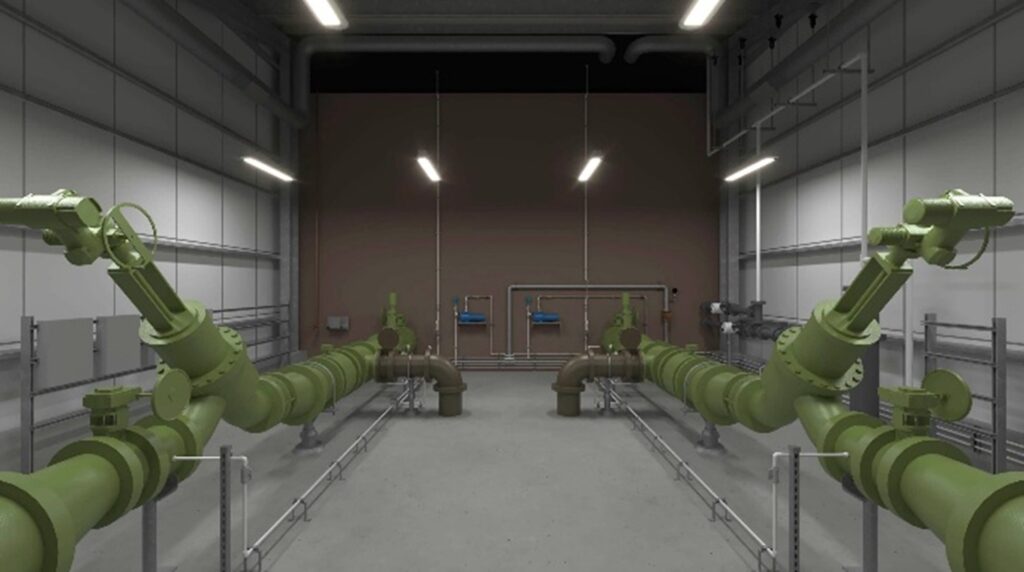
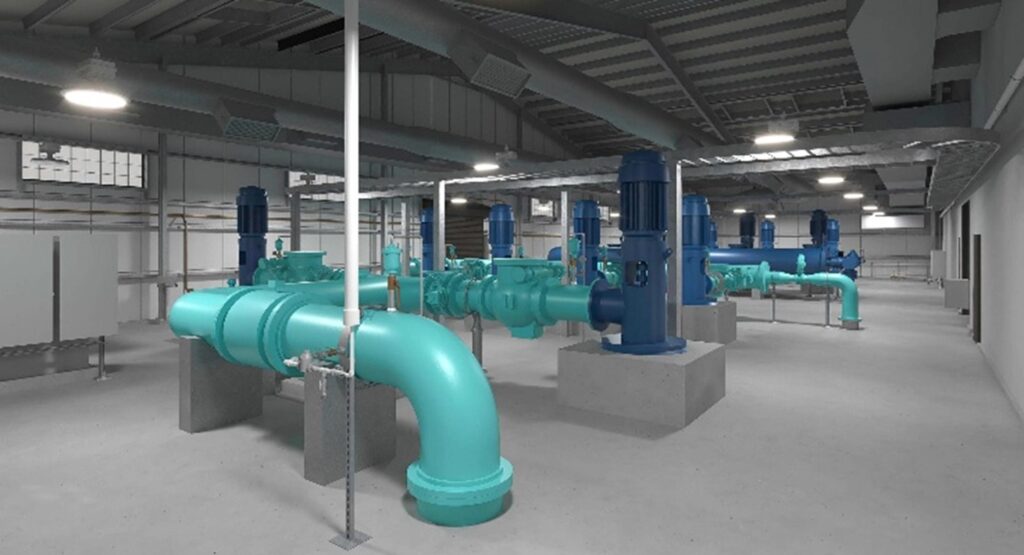
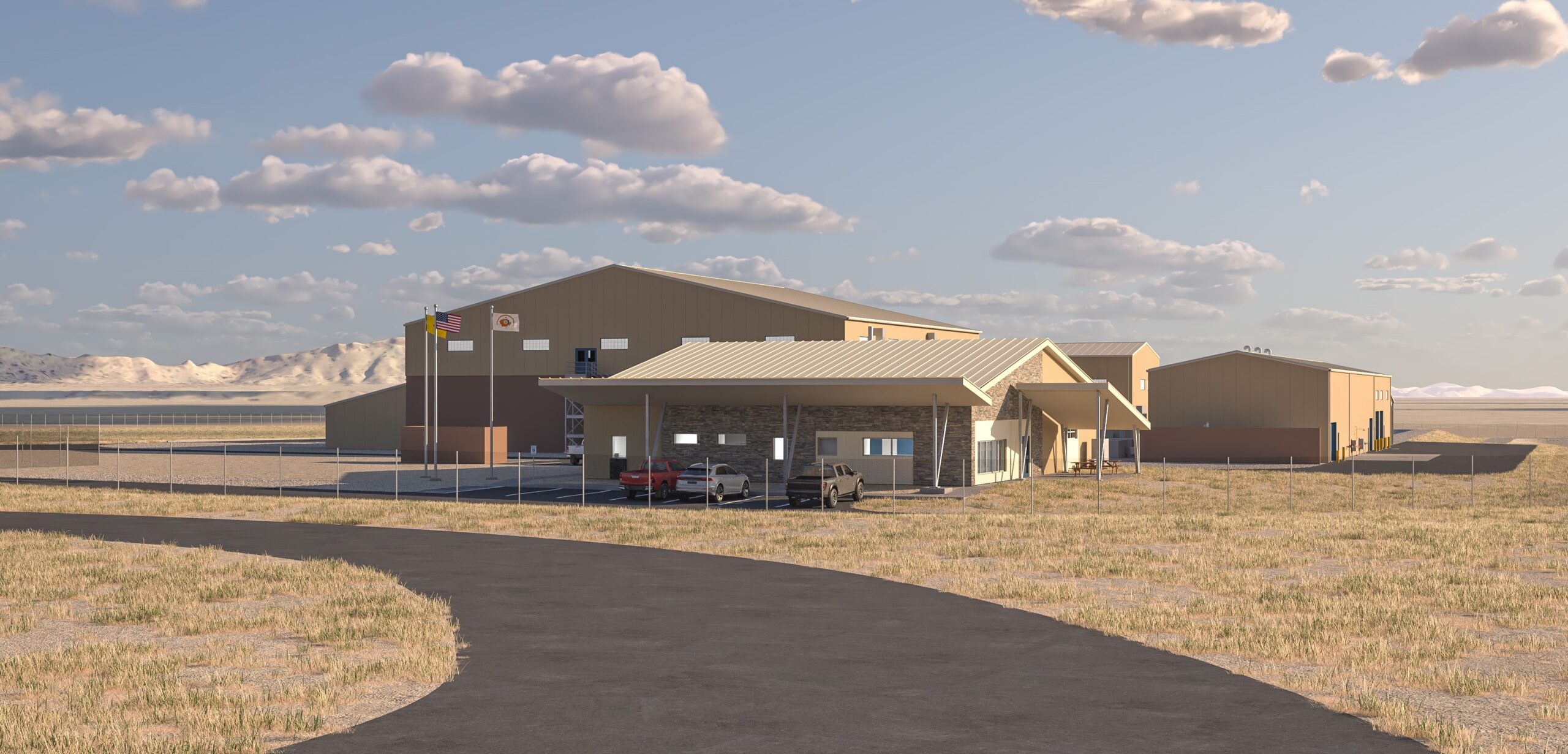
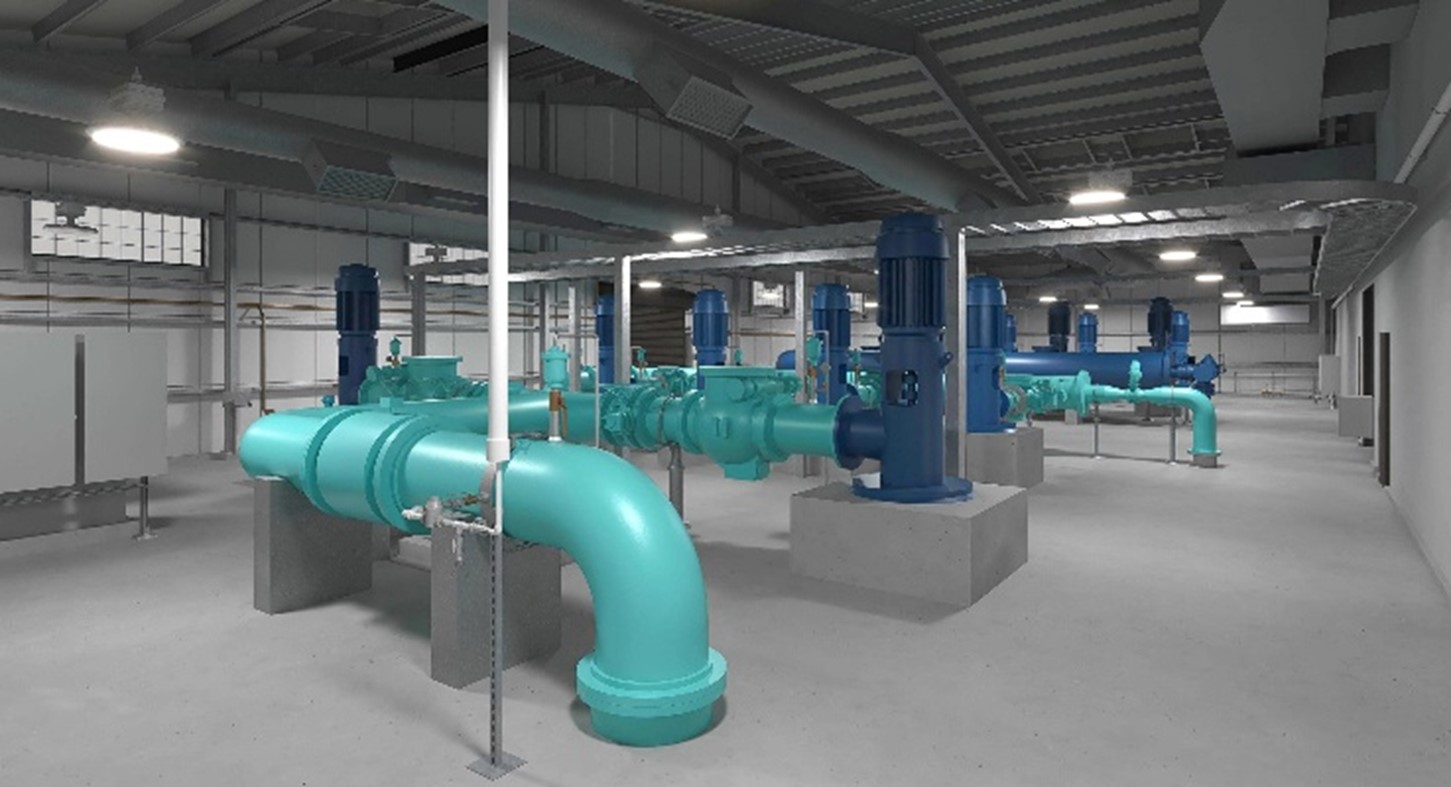
Have you ever wondered how water moves through a treatment plant before it reaches your tap? An extensive network of piping is required at the SJLWTP, to move the various flow streams essential for producing drinking water. The plant includes 42 distinct flow streams, ranging from raw and treated water to process water, hot and cold water, air, chemical feeds, drains, and sampling lines.
In total, The SJLWTP contains more than 48,500 feet (9.25 miles) of pipeline and over 70 percent of the pipe is made of polyvinyl chloride (PVC). Pipe diameters range from 1/2 inch to 42 inches, and design pressures vary from 10 to 400 pounds per square inch (psi). For comparison, typical household tap water pressure is between 40 and 60 psi.
The plant uses 10 different kinds of pipe materials, including stainless steel, PVC, steel, reinforced concrete, and copper. Regulations require color-coded piping to clearly differentiate between flow streams and ensure proper identification throughout the facility.
Designing and engineering these piping systems requires expertise in fluid mechanics and material science. Engineers must consider pressure changes, turbulence, and other hydraulic factors to ensure safe and reliable piping systems. Each pipe and connection plays a role in delivering clean drinking water to the end user.