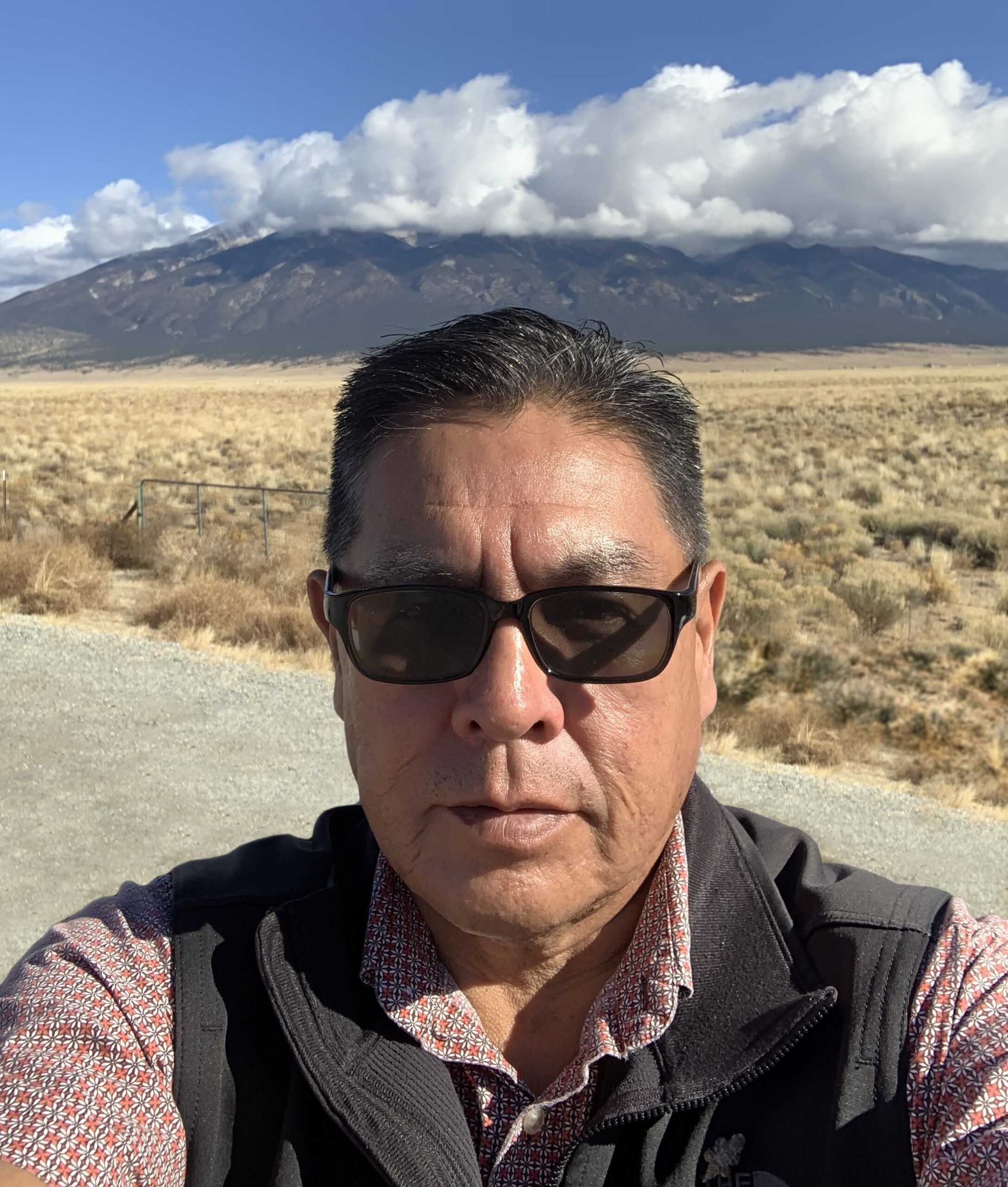
Robert Kirk, Principal Hydrologist, with the Navajo Nation Department of Water Resources, recently shared a personal story that underscores the significance of the Navajo Gallup Water Supply Project for the Diné people. Robert’s story is a testament to resilience, tradition, and the enduring connection to homeland. “To me, Water is scared and water access has always been a priority to me and the basis of why I went to school,” he says. The water project is more than infrastructure—it’s about restoring dignity, opportunity, and hope for generations to come.
The Navajo Nation spans more than 27,000 square miles across four states. Despite this vast territory, nearly 30 to 40 percent of residents lack access to safe and reliable water, posing challenges to daily life, public health, and economic development.
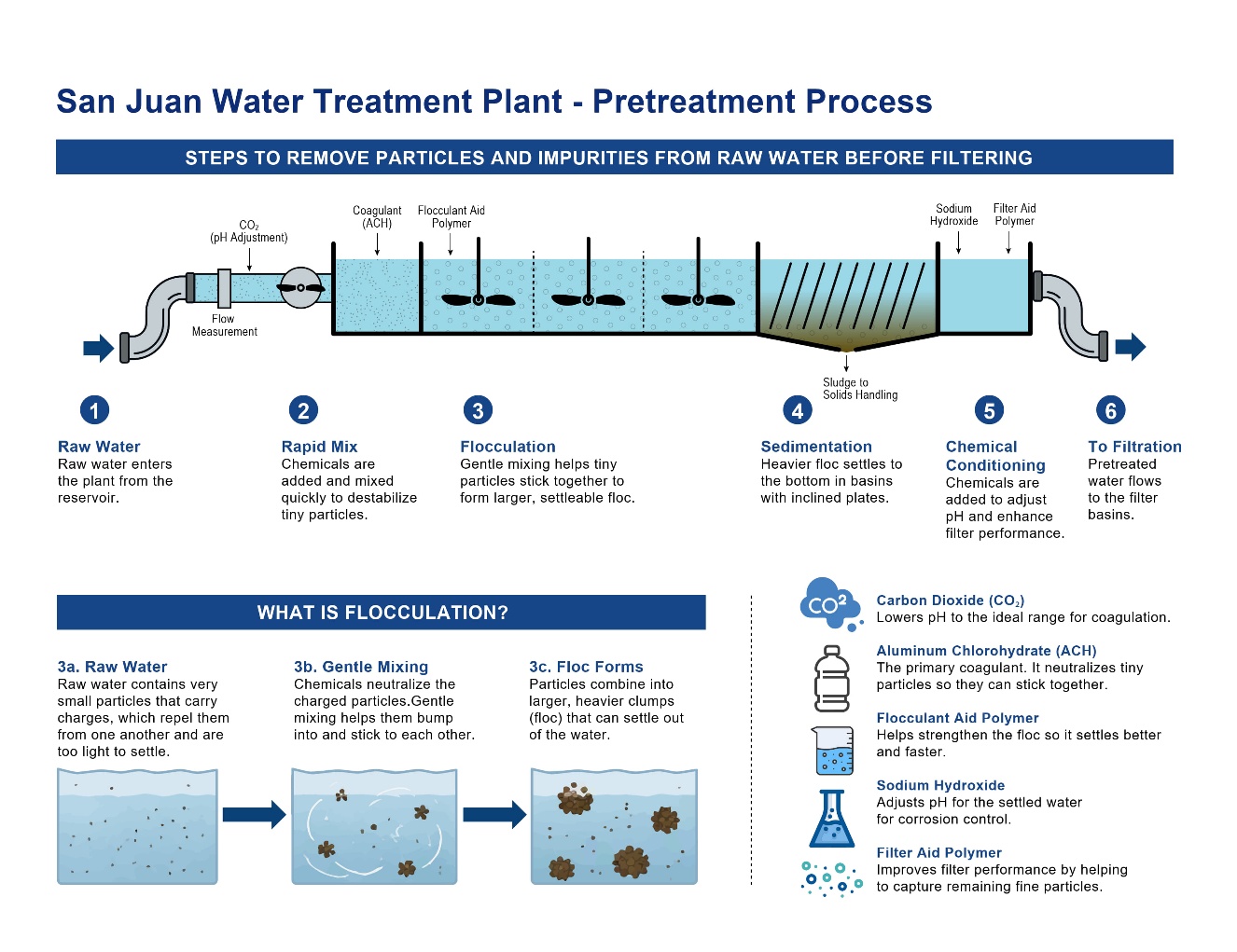
Robert grew up in Kinlichee, Arizona, west of Window Rock, with a traditional Diné upbringing. His grandfather was a medicine man, and his family spoke only Navajo. Life without electricity or running water was difficult but the norm for many Diné families. Water for the household and livestock came from windmills or hand pump wells, rainwater collection, and even stock impoundments. One day, while herding sheep with his grandmother, Robert learned an early lesson in water treatment. They dug a hole in a wash, waited for it to fill with muddy water, and added goat milk to help clarify it. That moment, he recalls, was his first experience with coagulation and flocculation, which he would later encounter in his professional life.
Education transformed Robert’s path. He and his sisters were the first in their family to graduate from high school and college. Though career opportunities outside the reservation were abundant, they chose to return home and fulfill a promise to serve the Diné people and land. Robert has now worked for the Navajo Nation for over 30 years.
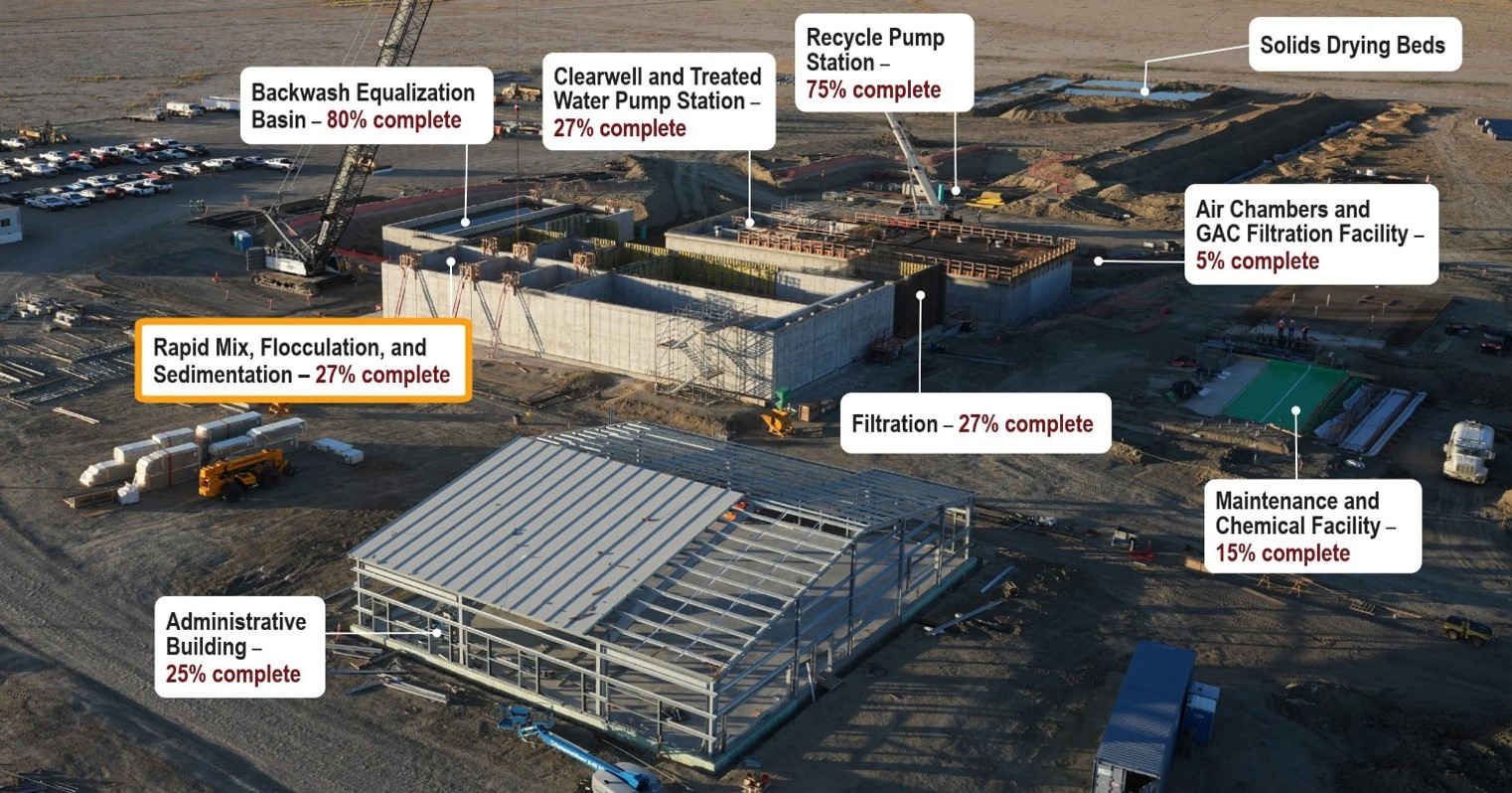
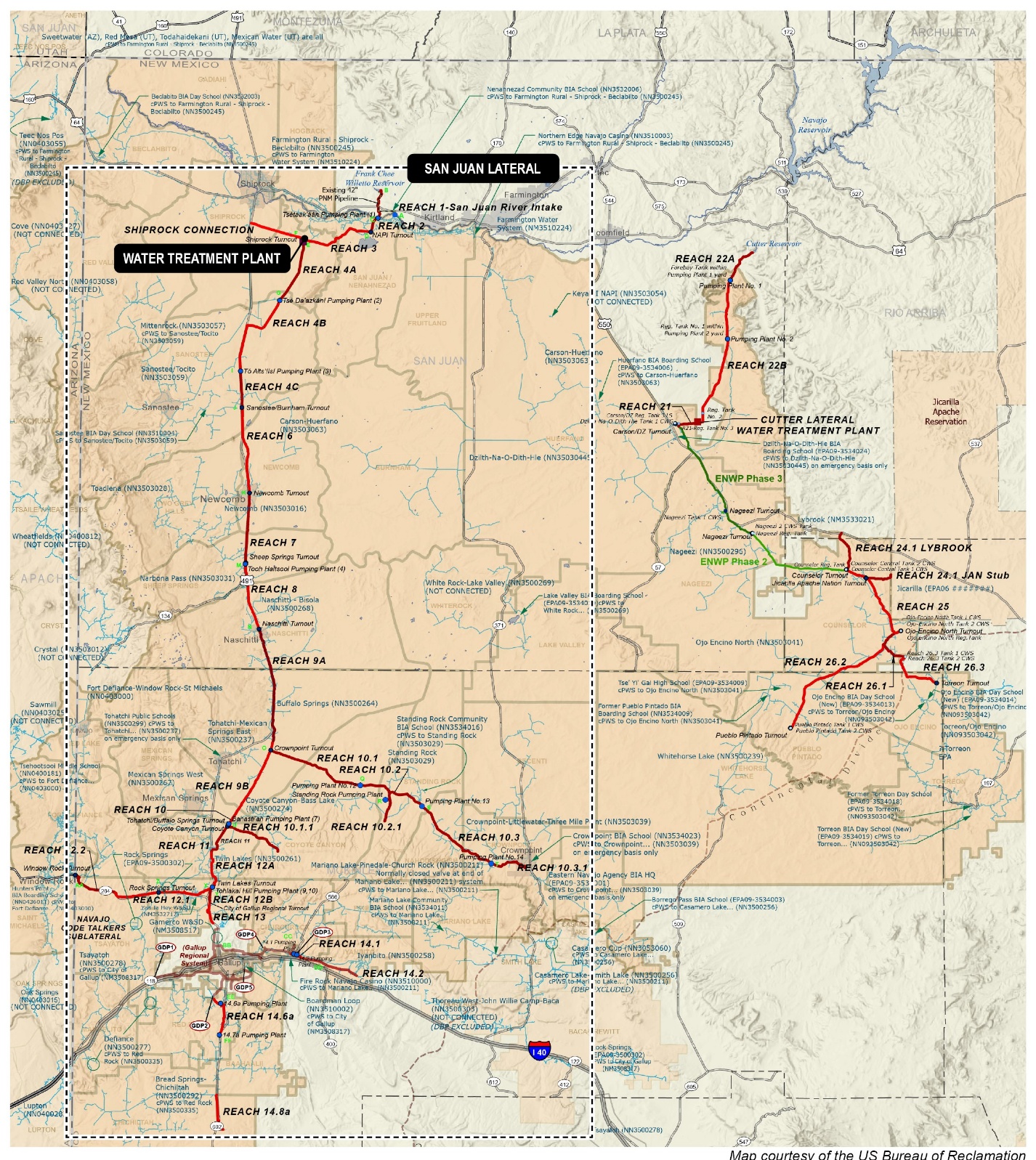
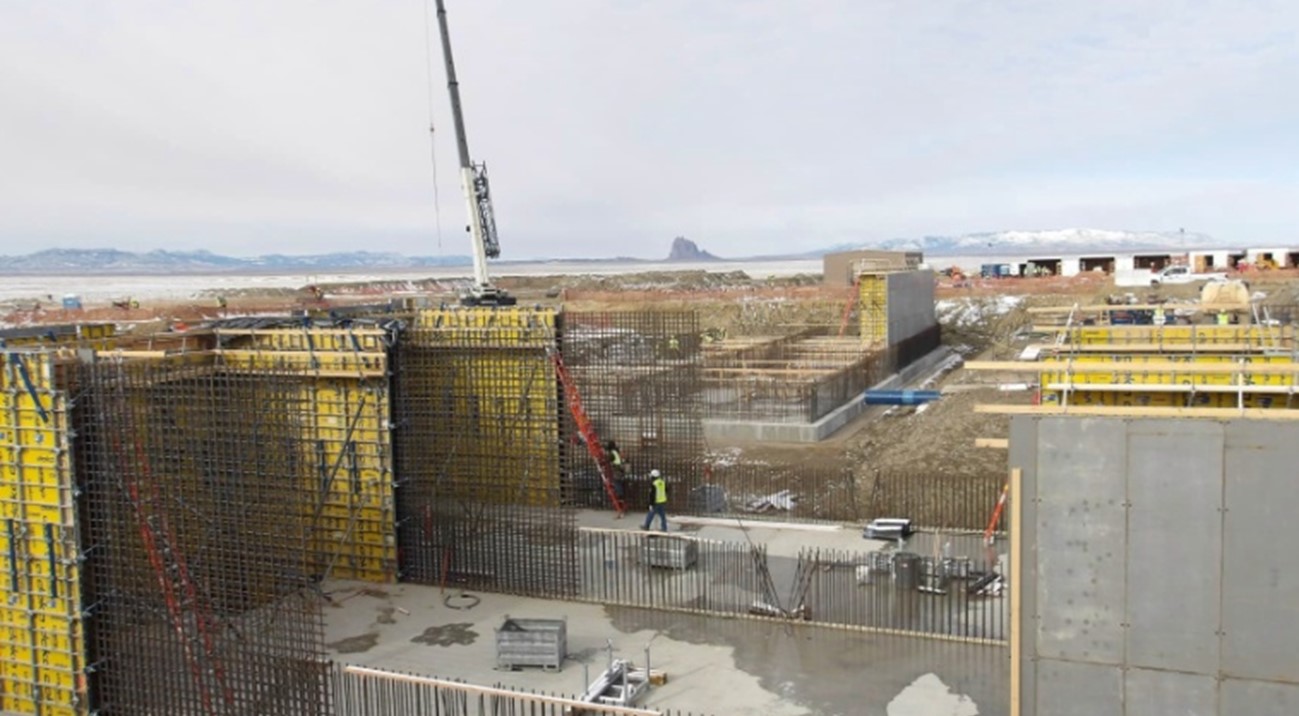
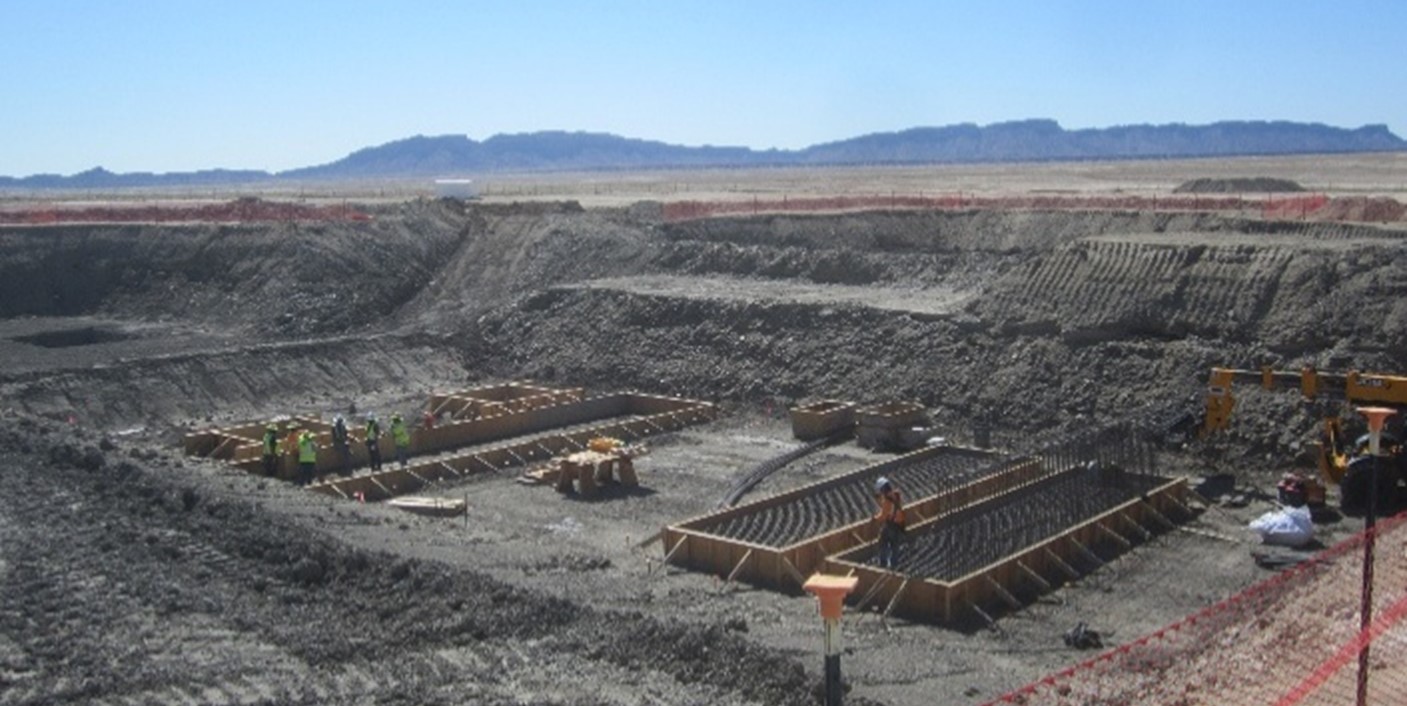
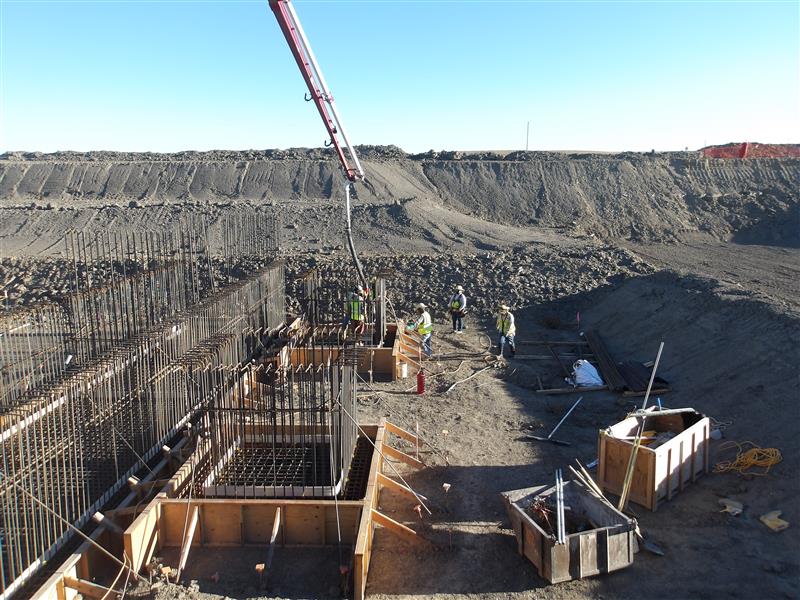
The Navajo Gallup Water Supply Project, in planning since the 1970s, is finally delivering safe, sustainable water to the Nation. With the Cutter Lateral online and the San Juan Lateral nearing completion, communities are already seeing positive changes: school enrollment is rising, more families are applying for home site leases, and economic development is gaining momentum. This project is changing the norm for the Diné people by providing clean water access, water security, and a positive outlook for their future.