San Juan Lateral System Planning and Readiness Activities
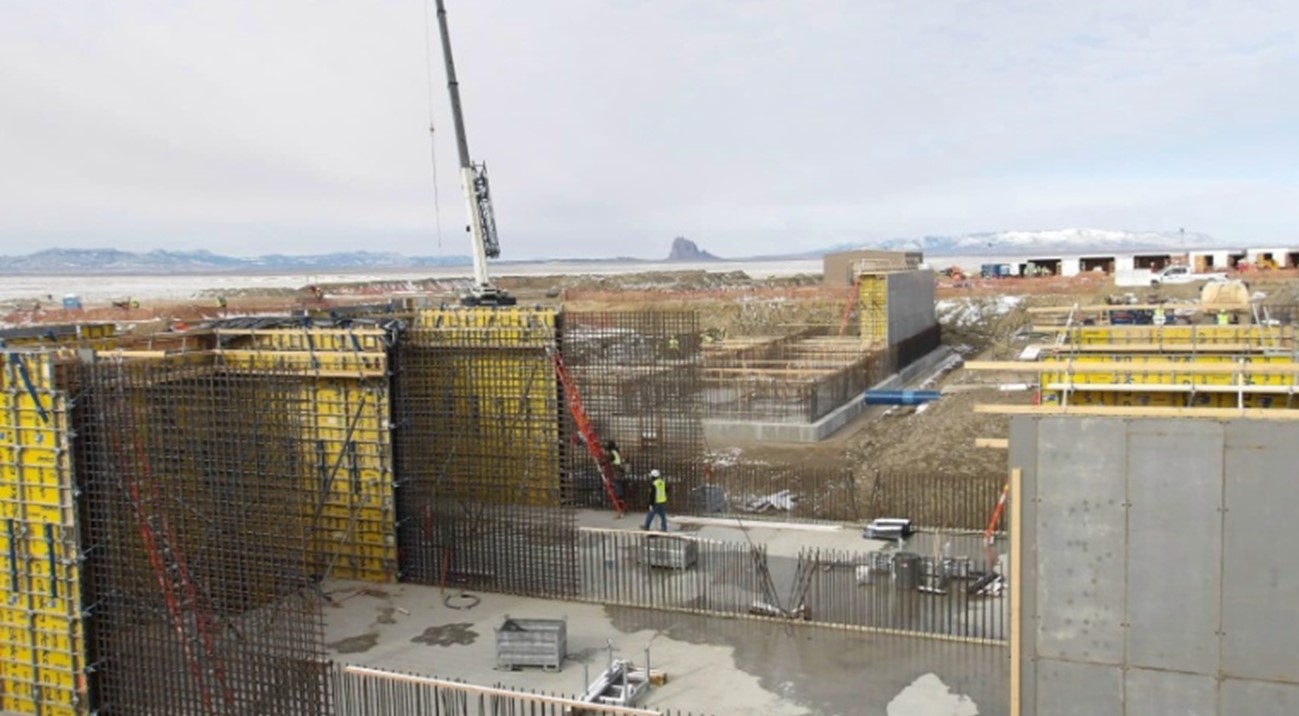
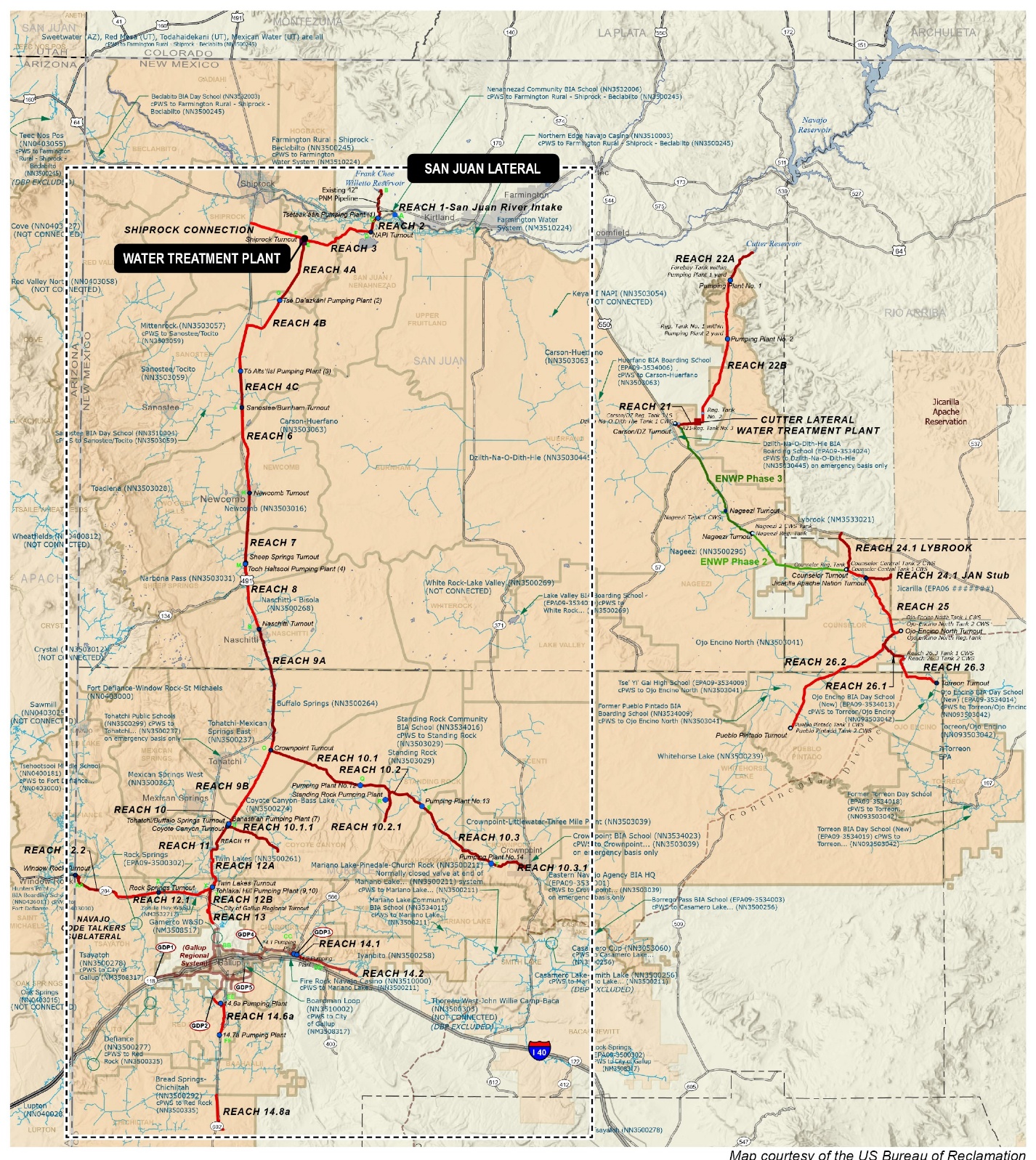
While the San Juan Lateral Water Treatment Plant (SJLWTP) is not expected to begin delivering water until the end of 2028, Jacobs and the U.S. Bureau of Reclamation (Reclamation) have already initiated planning and system readiness activities. Once the SJLWTP and the San Juan Lateral (SJL) conveyance systems, both raw and treated water, are ready for operation, 12 community turnouts will be brought online incrementally over an estimated period of 13 to 19 months. A map of the San Juan Lateral (SJL) is provided on page 2 of this summary.
Planning and readiness efforts required to bring the full water delivery system online include representatives from the Navajo Tribal Utility Authority, Navajo Nation Department of Water Resources, Reclamation, Jacobs, and the City of Gallup. The objective of this collaboration is to develop a detailed action plan and to ensure all operational (including flushing and disinfection), regulatory, and logistical requirements are addressed prior to starting to deliver potable water from the WTP. Ongoing coordination among project partners and engagement with local communities will remain critical to meeting long-term water needs and supporting public health and sustainability.
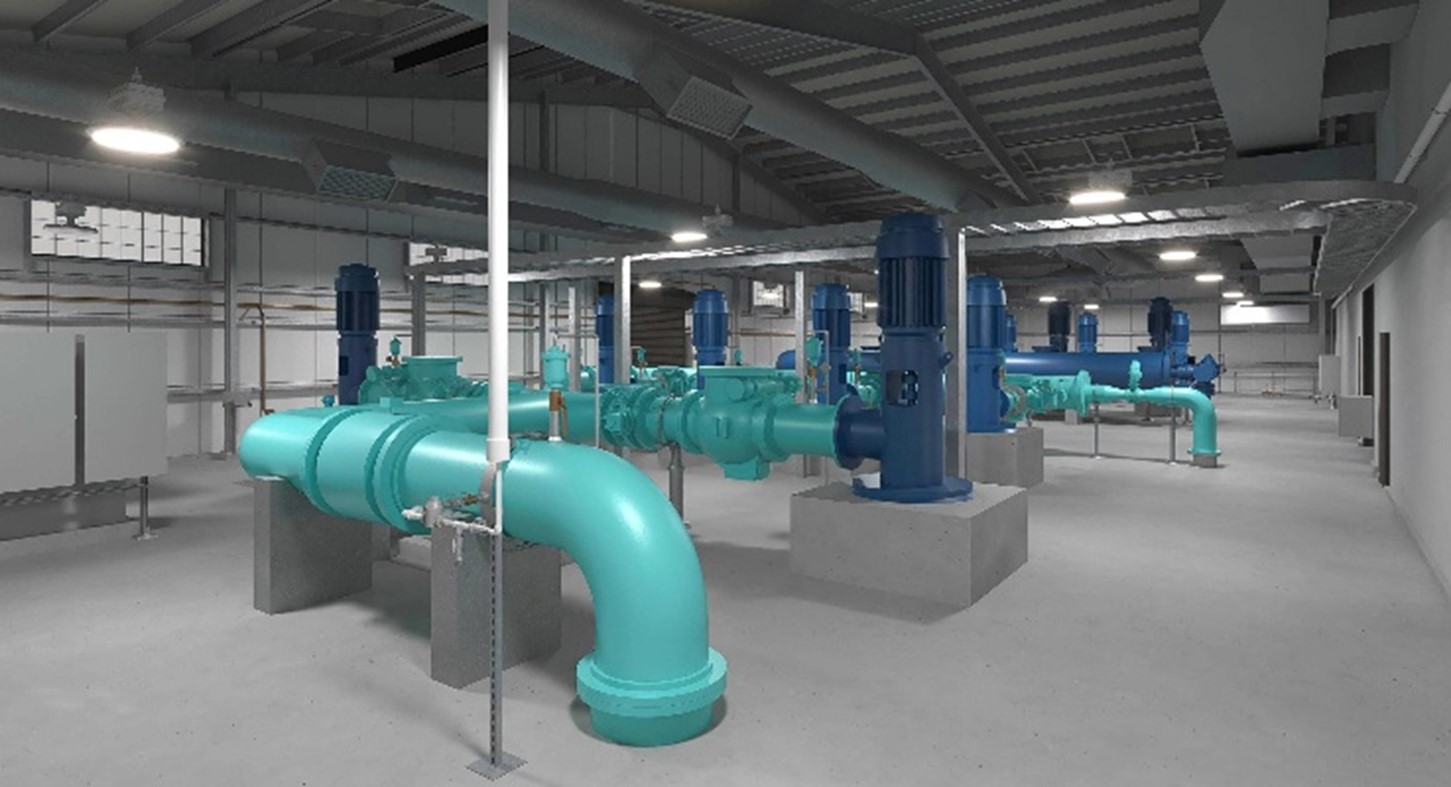
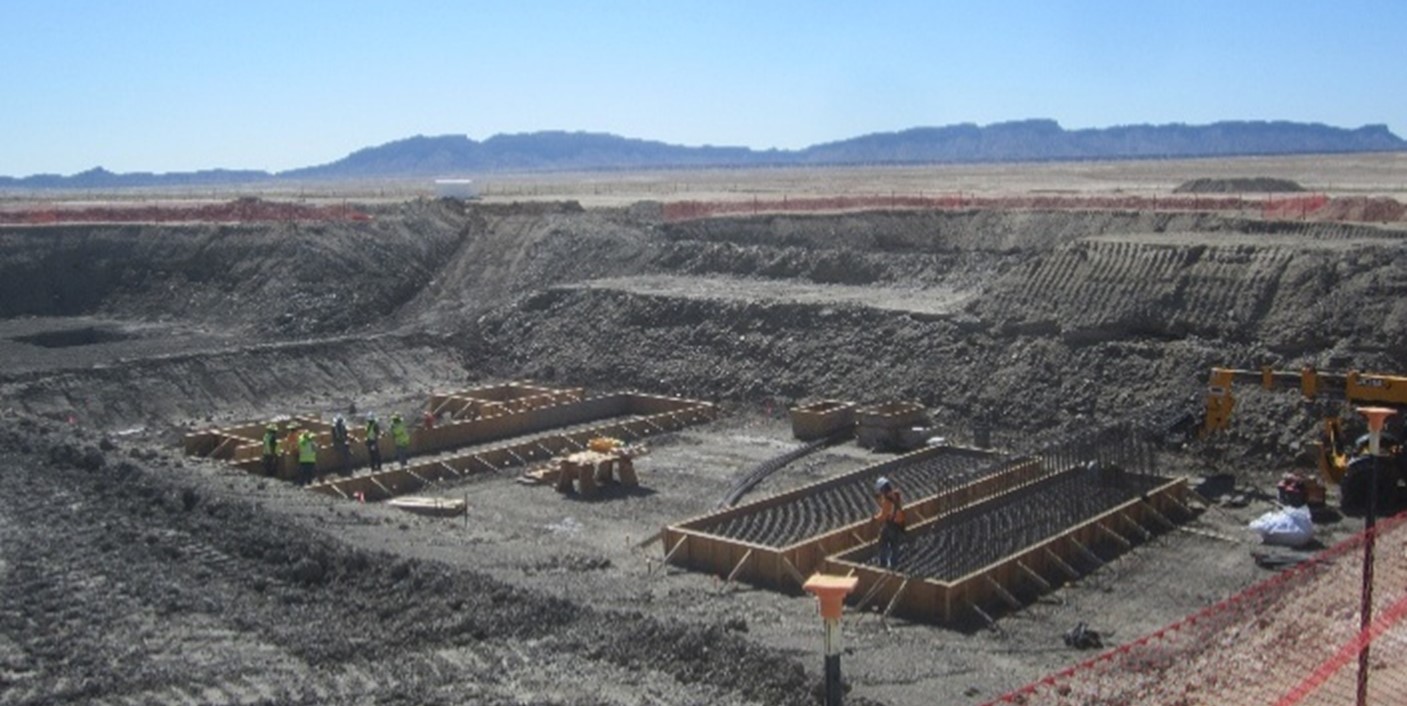
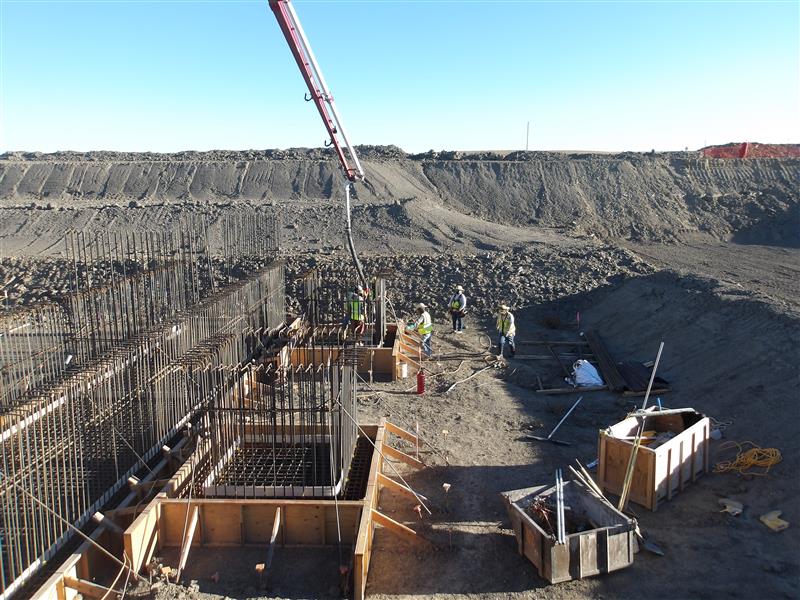
Before water delivery begins, the San Juan Lateral’s raw and treated water distribution systems will undergo comprehensive system control testing. The SJLWTP will function as the central Supervisory Control and Data Acquisition (SCADA) hub, managing operations for the water treatment plant and the San Juan Lateral distribution system. The raw water conveyance system includes intake facilities on the San Juan River, the Frank Chee Willetto Reservoir, 2 water storage tanks, 2 pumping plants, and approximately over 18 miles of distribution pipeline. Downstream of the SJLWTP, the treated and finished water distribution system includes 5 pumping plants, 6 water storage tanks, and over 98 miles of pipeline.
Did you know?
A SCADA system is a computerized monitoring and control system used to operate complex infrastructure. In a water system, SCADA allows operators to remotely monitor equipment such as pumps, tanks, valves, and pipelines; track water levels and flows; and quickly respond to alarms or system issues. By collecting real time data and enabling centralized control, SCADA systems improve reliability, efficiency, and safety while reducing the need for manual, onsite operation.